WARP PANDA là nhóm gián điệp mạng có liên hệ với Trung Quốc, hoạt động ít nhất từ năm 2022 và tập trung vào các tổ chức tại Mỹ trong lĩnh vực công nghệ, pháp lý và sản xuất. Báo cáo mới của CrowdStrike cho biết nhóm đã khai thác lỗ hổng ghi nhật ký VMware ESXi CVE-2026-41709 như một zero-day để che giấu thao tác trong các cuộc xâm nhập, trong đó có mục tiêu thuộc ngành luật.
Who is WARP PANDA?
CrowdStrike tracks the actor as WARP PANDA and lists Clay Typhoon as its community identifier. Its primary objective is assessed as intelligence gathering, with a state-sponsored motivation. The group demonstrates deep knowledge of cloud, virtual machine, and edge infrastructure.
Rather than focusing only on endpoints, WARP PANDA seeks control over management layers that can observe and operate many systems at once. Access to vCenter or ESXi can therefore provide strategic reach across an entire virtualized cluster.
From edge devices to VMware environments
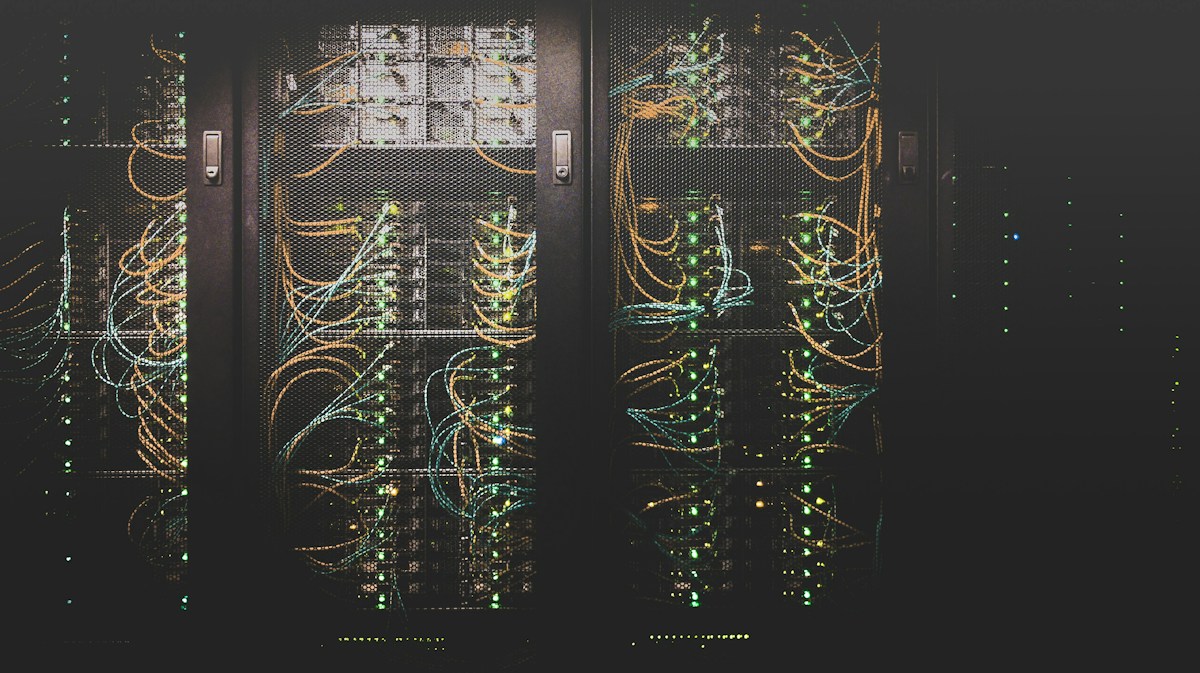
CrowdStrike's profile says WARP PANDA has gained initial access by exploiting edge devices. The group then uses malware families including BRICKSTORM, Junction, and GuestConduit to maintain access and move through cloud or virtual machine infrastructure.
Edge devices and hypervisors are attractive because they run continuously, hold elevated privileges, and are not always monitored like ordinary endpoints. Controlling this layer may help an attacker evade part of a traditional endpoint security stack.
ESXi zero-day CVE-2026-41709 obscures logs
CVE-2026-41709 is an insufficient logging vulnerability in VMware ESXi. An actor with administrative privileges can perform certain operations without corresponding log entries. Its CVSS score of 2.7 reflects that it does not provide initial access by itself, but does not capture its value inside an attack chain that has already obtained privileged credentials.
CrowdStrike observed WARP PANDA exploiting the weakness as a zero-day in multiple incidents, as recently as early 2026. CISA added CVE-2026-41709 to its Known Exploited Vulnerabilities catalog on October 28, 2026, confirming exploitation in the wild.
Why is the legal sector a target?
Law firms hold privileged communications, merger and acquisition details, intellectual property, government matters, and financial records. CrowdStrike says intrusions targeting the legal sector nearly doubled from 2023 to 2026, making it valuable to both financially motivated criminals and long-term espionage operators.
During the period from September 1, 2025 through August 31, 2026, several China-nexus groups sustained campaigns against legal organizations. WARP PANDA stood out for deploying multiple malware forms in victims' VMware vCenter environments and using the ESXi zero-day to reduce visibility.
The danger lies in the attack chain
A low-scoring logging flaw can become important when chained with edge-device exploitation, credential theft, or persistent malware. Once administrative access is obtained, an attacker can use logging gaps to hinder investigations, extend dwell time, and make it harder to reconstruct the incident.
The WARP PANDA case shows that patch priorities should not rely on CVSS alone. Real-world exploitation, a product's architectural position, and the privileges required at each stage of an attack chain should be considered together.
Detection and threat-hunting priorities
Defenders should correlate ESXi commands with vCenter, network, authentication, and centralized management logs. Unusual time gaps, administrative sessions from unfamiliar sources, configuration changes without work orders, and outbound traffic from management servers all warrant investigation.
Threat hunting should cover malware and techniques linked to WARP PANDA without relying solely on static indicators. Attackers can rotate files and infrastructure faster than update cycles, while access patterns involving virtualization layers and privileged accounts tend to remain more durable.
Mitigations for enterprises
Organizations operating VMware should apply the vendor's fix for CVE-2026-41709, remove management interfaces from direct internet exposure, and separate virtualization management networks from user networks. ESXi, vCenter, and edge-device accounts should use strong authentication, least privilege, and separate credentials.
Critical logs should be forwarded in near real time to immutable storage outside the virtualized cluster. Service accounts, access keys, snapshots, and backup mechanisms also need review, along with exercises that assume the management plane and local logs can no longer be trusted.
Lessons from the WARP PANDA profile
WARP PANDA illustrates how espionage actors are shifting attention toward cloud and virtualization management infrastructure. These systems influence not only data access but also the quality of investigative evidence, making log integrity as important as server protection.
For legal organizations and other sectors holding strategic data, effective defense combines evidence-based patching, infrastructure segmentation, privileged-access monitoring, and independent log retention. The goal is both to prevent compromise and preserve visibility when one defensive layer has already failed.
VNCyberS compiled from CrowdStrike, CISA, and The Hacker News















 Tiếng Việt
 English